Best Speaker Award
We recognise outstanding speaker who have demonstrated exceptional expertise, insight, and influence.
What would the FPGA Conference Europe be without its speakers, who invest their time and passion in sharing their experiences and expertise despite their hectic daily schedules? As a special recognition of their contribution to the success of the congress, we honour the best speakers, who were each day judged by the conference participants.
Best Speakers 2026

Lecture: CDCs, FIFOs, and Width Converters: How to Combine Open Logic Building Blocks Correctly
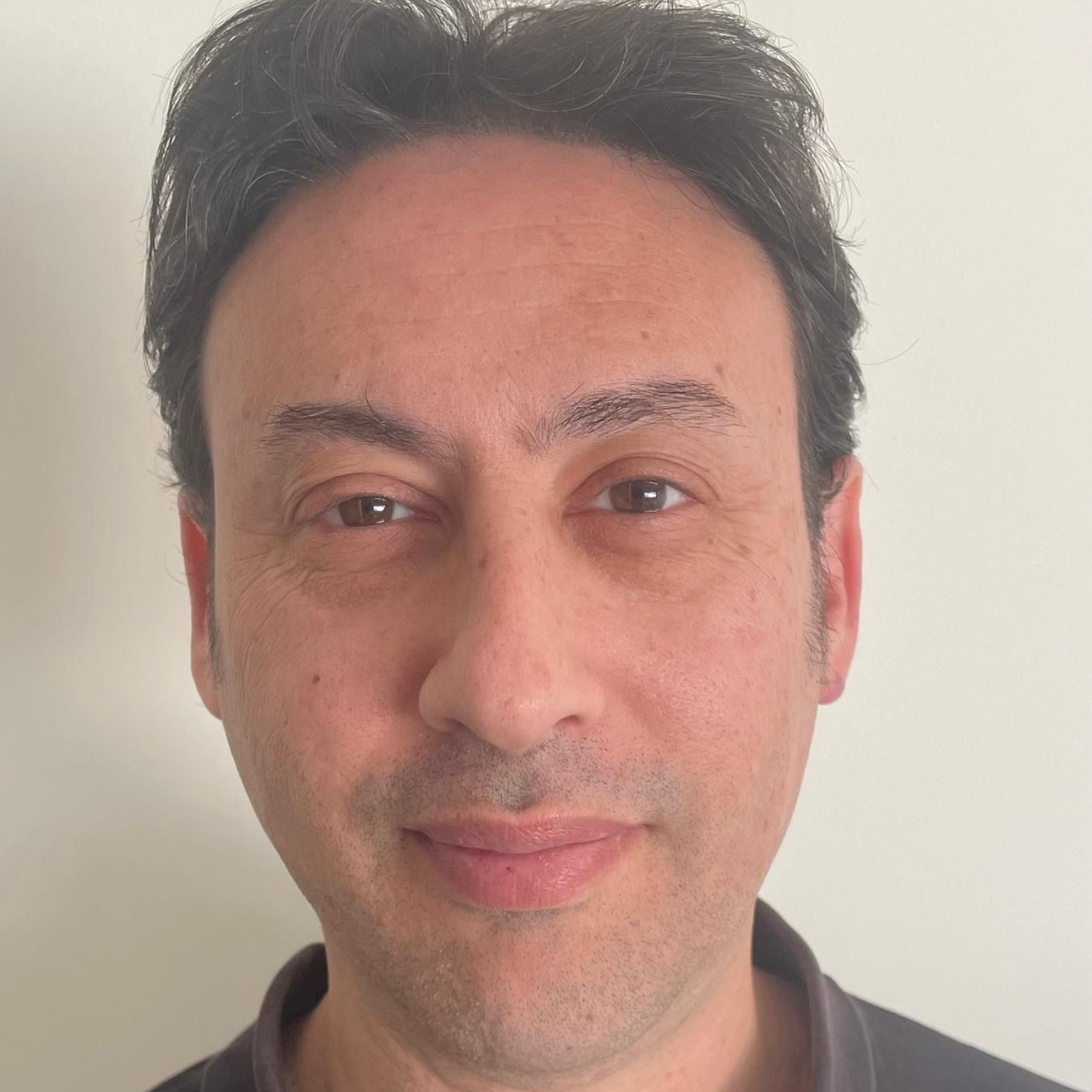
Oliver Bründler
Open Logic
learn more about Oliver Bründler
Oliver Bründler works for Enclustra in the business unit design services, which supports our global customers in all areas of FPGA-based system development. He is responsible for projects which have a broad range of applications such as medical, test & measurement, or aerospace. As a system design expert, he is primarily in charge of system design and specification, as well as managing the projects and ensuring successful completion. With over 15 years of experience in the field of programmable logic, he brings the right wealth of practical experience and expertise to take on the most challenging customer projects for Enclustra.
Early in his professional career, during his apprenticeship, Oliver Bründler gained familiarity with FPGA technology. Already then, he knew that this technology is his passion. To follow this passion, he aimed for a degree in digital microelectronics and started working for Enclustra right after completing his BSc in electrical engineering at FHNW, one of the leading universities of applied sciences in Switzerland. Instead of pursuing a formal Master’s degree, he chose to immerse himself in real-world projects and seize opportunities to learn through hands-on experiences. This approach allowed him to gain in depth knowledge while actively apply theoretical concepts to solve complex problems for Enclustra and its customers.
From 2017 to 2020 Oliver Bründler has decided to work on electronics for particle accelerators at Paul Scherrer Institute before he returned to Enclustra. Since then, he has an even stronger focus on system design and technical project management.
Throughout his career he worked on a wide variety of projects, including a diverse spectrum of technological advancements. Noteworthy among his accomplishments are the development of cuttingedge devices such as a spectrum analyzer, servo controllers, RF measurement devices, RF control systems, SDR modems and low-latency video processing chains. Additionally, he plays a pivotal role in the creation of open-source FPGA libraries through this Open Logic project.
Lecture: Don’t Just Compile: Outsmarting the Synthesizer for Peak FPGA Performance
Embedded AI Masterclass: Silicon Brains vs. Silicon Gates: Can LLMs Replace the FPGA Engineer?
Oren Hollander
HandsOn Training
learn more about Oren Hollander
Oren Hollander has over 20 years of FPGA, ARM, Security design & training experience.
Oren is an Altera, ARM, NewAE, eShard, and Microchip authorized trainer. He trained over the years thousands of engineers around the world in FPGA design, Arm architecture, security for Embedded systems & FPGA security.
Oren trains the top silicon vendors such as Apple, Samsung, Marvell, NXP, Intel, Broadcom, Microchip to name a few.
Oren works closely with the silicon vendors and security researchers to bring the latest and greatest knowhow and experience to the market.
Lecture: hdl-registers: The Smart Way to Build AXI-Lite IP Cores
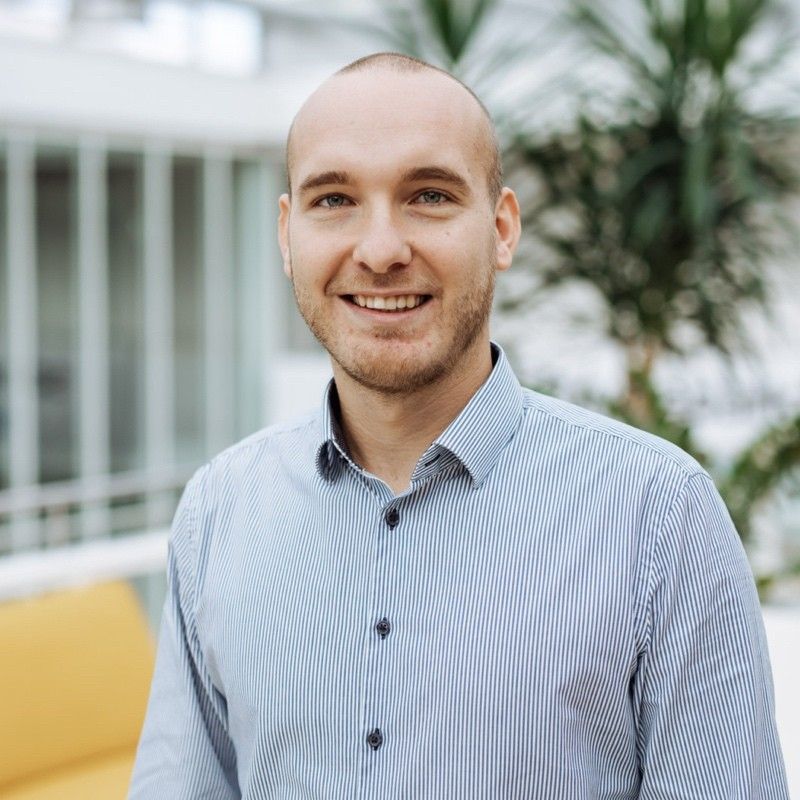
Bernhard Wandl
P2L2 GmbH
learn more about Bernhard Wandl
Bernhard Wandl is an FPGA engineer specializing in digital design and signal processing. He develops and verifies complex IP cores, automates hardware-software integration, and implements high-performance FPGA solutions.
He has worked at P2L2 GmbH on FPGA IP cores, Infineon Technologies Austria on digital design and verification, and FH OÖ on embedded platforms and FPGA signal processing. His experience spans the full hardware-software development cycle and embedded systems.
Previous Winners
2025
Martin Kellermann & Brian Colgan | Microchip Technology
Lecture: Cyber Resilience Act: Planning your Security Future
Kamil Rudnicki | Brightelligence
Lecture: FPGA Design Debugging... How Hard Can It Be?
Prof. Dirk Koch | Universität Heidelberg
Lecture: Partial Configuration: Is It Useful or Just an Academic Toy?